
Learning Lesson: Lost Destinations - Seneca Village
Ownership as Citizenship. Property, voting rights, and urban Black futures
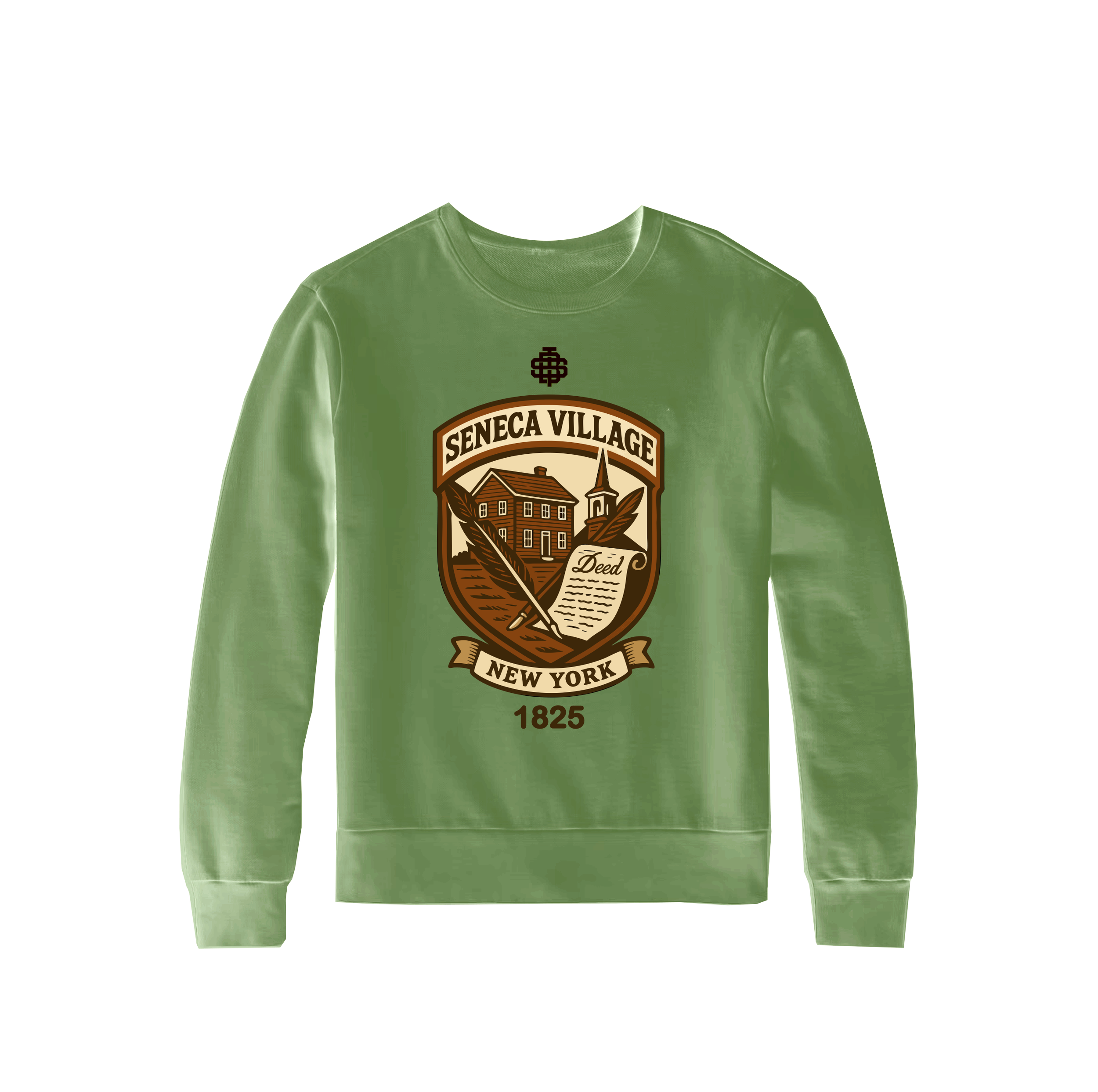
Seneca Village, NY (1825 - 1857)
The Power of Property
Between 82nd and 89th Streets in today's Central Park stood Seneca Village, established in 1825 by free African Americans seeking dignity through landownership. Property ownership granted voting rights—a rare privilege for Black men in pre-Civil War New York.
A Thriving Community
Over 200 residents built homes, established three churches, operated two schools, and cultivated gardens. Many families owned their properties outright, creating generational wealth and stability in an era of widespread disenfranchisement.
Though destroyed in 1857 through eminent domain for Central Park's construction, Seneca Village remains a testament to Black urban achievement and the transformative power of community ownership.
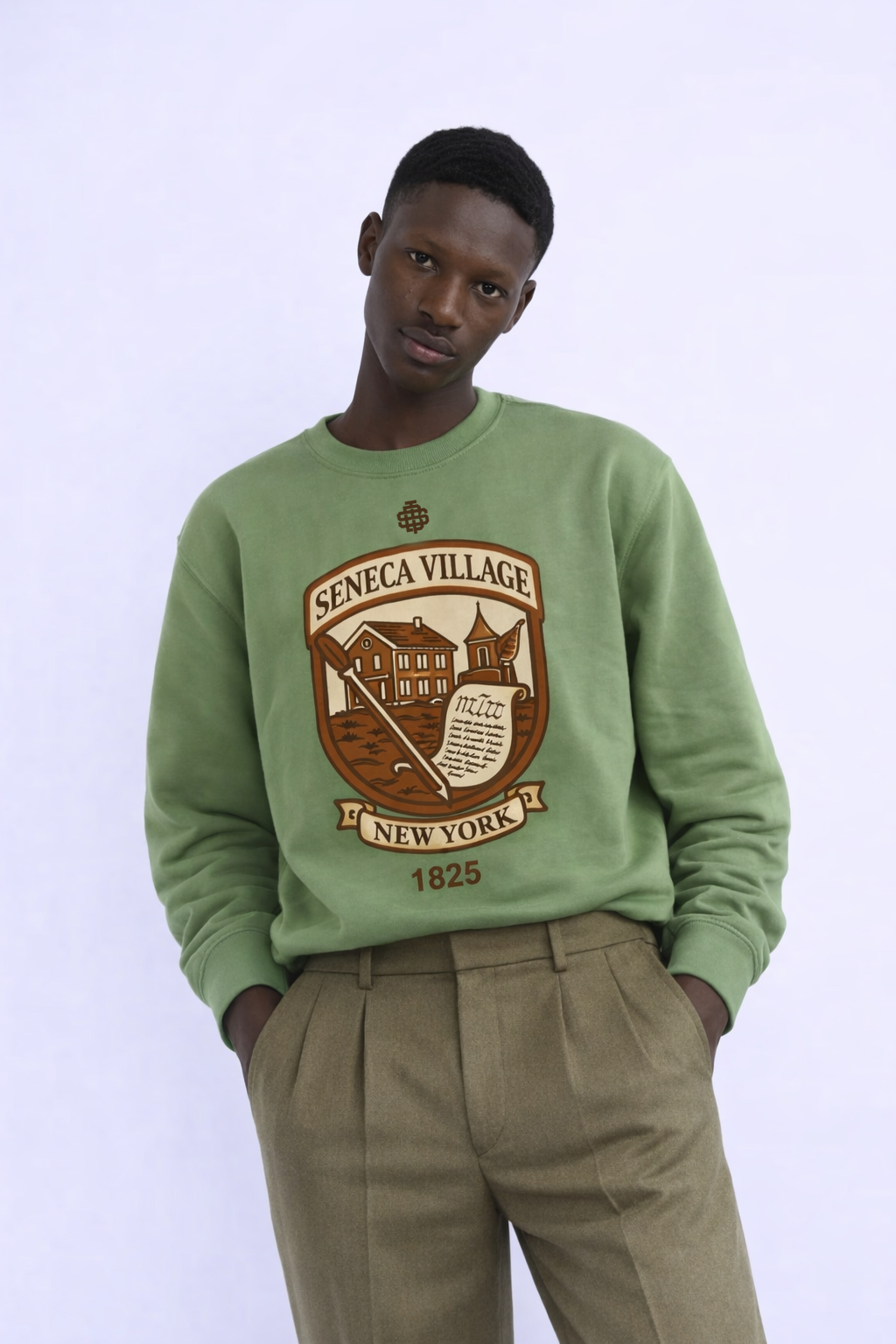
This piece is part of The Black Sanctuary’s School of Excellence living curriculum and belongs to the Lost Foundations collection—examining how Black communities used land and ownership as tools of freedom.
Each garment functions as applied scholarship, transforming history into lived experience through design, storytelling, and cultural expression.
Why This Piece Matters
This garment is designed to:
Preserve Black history through wearable scholarship
Function as a visual archive and conversation starter
Support education, preservation, and cultural stewardship
A portion of proceeds from every purchase directly supports The Black Sanctuary School of Excellence programming.
This is more than a garment.
It is an investment in our history’s future.
— Dr. Meloney Jordan, Founder
Call to Action: Wear the curriculum. Carry the history. Support the work here!